

Ovarian and Gynecological Cancer Surgery: What Patients Should Know Before Treatment
When women are diagnosed with ovarian or gynecological cancer, one of the most common questions is whether surgery will be needed and what that surgery may involve. A clear understanding of the treatment journey can help patients and families feel better prepared.
This blog explains
- When surgery may be part of ovarian or gynecological cancer treatment
- Symptoms that should not be ignored
- How treatment planning is individualized
- What to expect during recovery and follow-up
What does ovarian or gynecological cancer surgery mean?
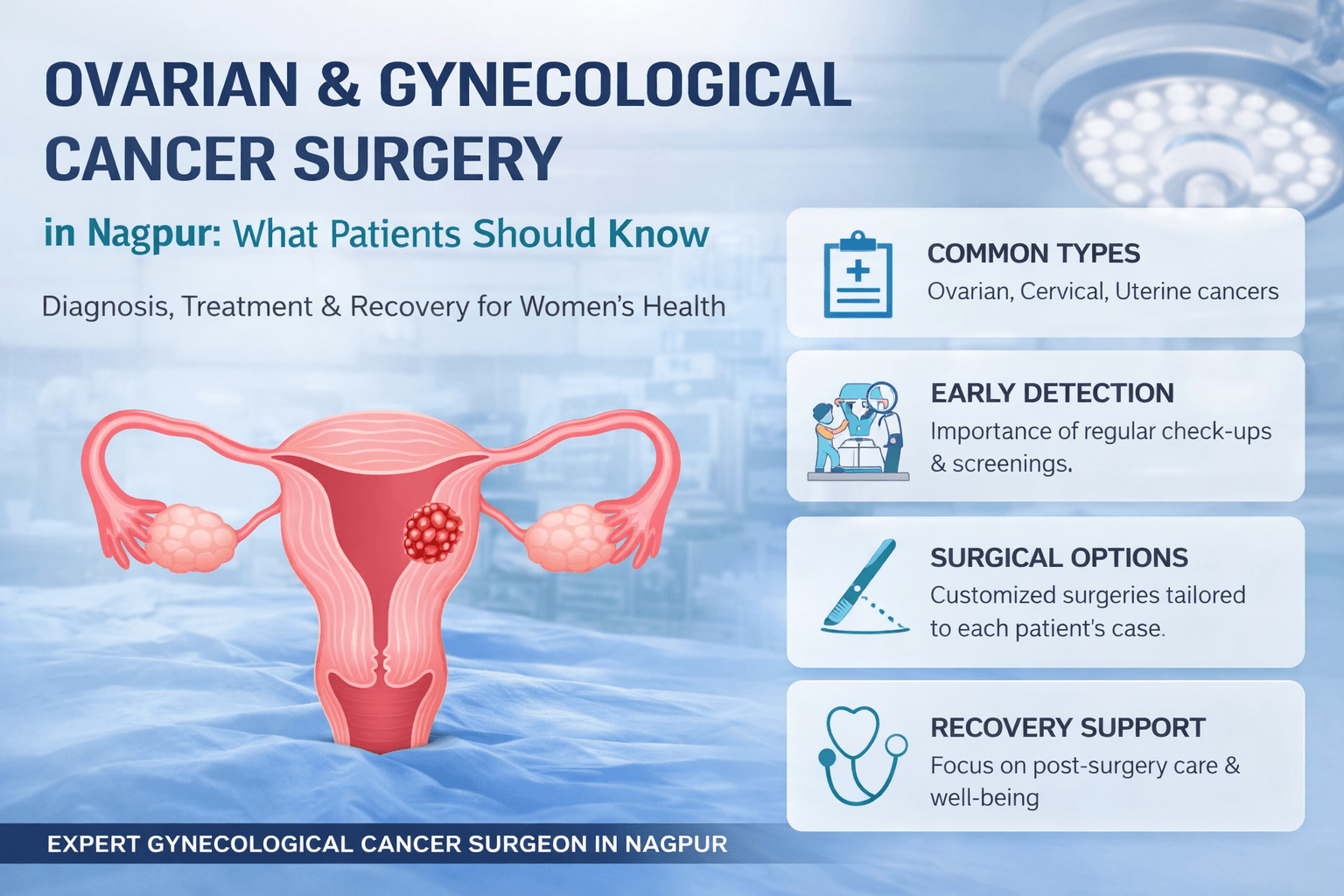
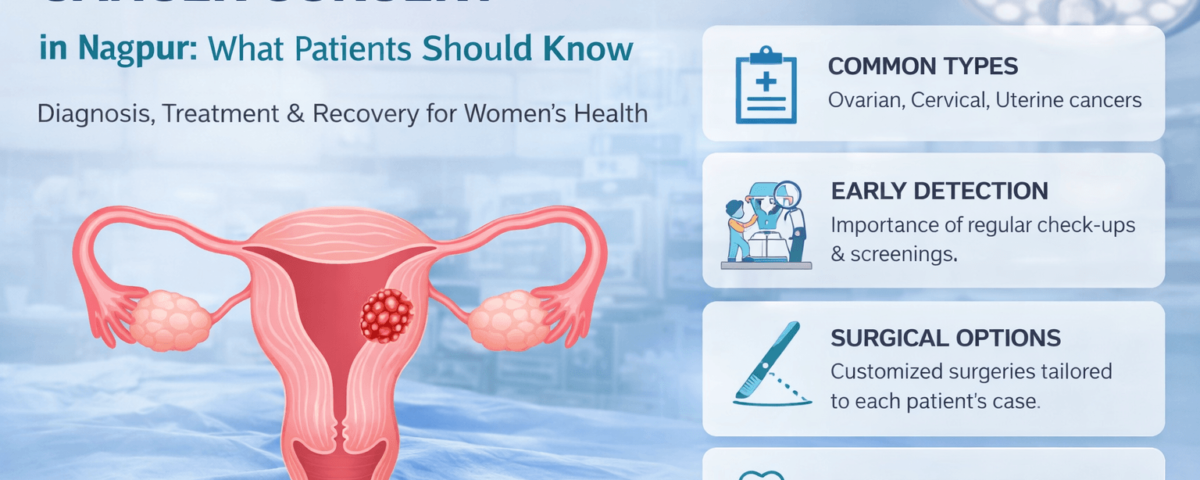
Gynecological cancer surgery refers to surgery performed for cancers affecting female reproductive organs such as the ovaries, uterus, cervix, fallopian tubes, and related pelvic structures. In the context of ovarian cancer surgery, the operation may play an important role in diagnosis, staging, tumor removal, and overall treatment planning.
The type of surgery varies depending on the exact cancer, stage, spread pattern, and the patient’s condition at presentation.
Key message: The surgical plan is individualized. Two patients with ovarian cancer may need very different treatment sequences depending on disease burden and overall health.
What symptoms should not be ignored?
Ovarian and gynecological cancers can sometimes present with vague or non-specific symptoms. That is why persistent changes should be evaluated rather than dismissed.
- Persistent abdominal bloating
- Pelvic or lower abdominal discomfort
- Change in appetite or early fullness
- Unexplained weight changes
- Abnormal bleeding
- Increasing abdominal size or fluid buildup
- Changes in bowel or bladder habits
When may surgery be advised for ovarian or gynecological cancer?
Surgery may be recommended for diagnosis, staging, primary tumor removal, symptom relief, or as part of a broader treatment sequence. In some cases, surgery is done first. In other cases, chemotherapy may be advised before surgery depending on disease extent and patient status.
| Clinical situation | How surgery may be considered |
|---|---|
| Early-stage suspicion | Surgery may help with diagnosis, staging, and definitive treatment planning. |
| Advanced ovarian cancer | The sequence may involve surgery first or after chemotherapy depending on the case. |
| Pelvic mass requiring evaluation | Surgical assessment may help clarify diagnosis and treatment direction. |
| Complex gynecological oncology cases | Multidisciplinary planning is often important for deciding the best approach. |
How is the treatment plan decided?
The treatment plan usually depends on imaging, biopsy or operative findings, tumor markers where relevant, disease spread, nutritional status, and the patient’s overall ability to tolerate surgery. The aim is always to choose the sequence that is safest and most appropriate for the patient.
Why expert review matters
Gynecological cancer surgery often requires careful interpretation of scans and disease spread patterns before deciding on the extent and timing of surgery.
What patients often ask
Will I need chemotherapy? How extensive will the surgery be? How long is recovery? What happens after surgery? These are all important questions during consultation.
What is recovery like after ovarian or gynecological cancer surgery?
Recovery depends on the type and extent of surgery. Some patients may need a shorter recovery period, while others undergoing more extensive procedures may need more time, nutritional care, and gradual rehabilitation.
After surgery, pathology findings and overall recovery help guide the next phase of treatment, which may include chemotherapy or additional follow-up.
Recovery priorities often include
- Pain management and wound care
- Mobilization and prevention of complications
- Nutritional support and hydration
- Discussion of pathology and next-step treatment
- Emotional support and clear follow-up guidance
Frequently Asked Questions
No. In some patients surgery is done first, while in others chemotherapy may be advised before surgery depending on disease extent and overall condition.
Persistent bloating can be one of several symptoms that needs evaluation, especially when it occurs along with pelvic discomfort, appetite change, or increasing abdominal size.
Planning is based on imaging, diagnosis, disease spread, patient fitness, and the overall oncology treatment sequence best suited to the case.
Some patients may need chemotherapy or additional follow-up treatment after surgery depending on the final pathology and overall treatment plan.
Need evaluation for ovarian or gynecological cancer surgery in Nagpur?
If you have been diagnosed with ovarian cancer, a pelvic tumor, or another gynecological cancer, expert surgical oncology consultation can help define the right treatment pathway.