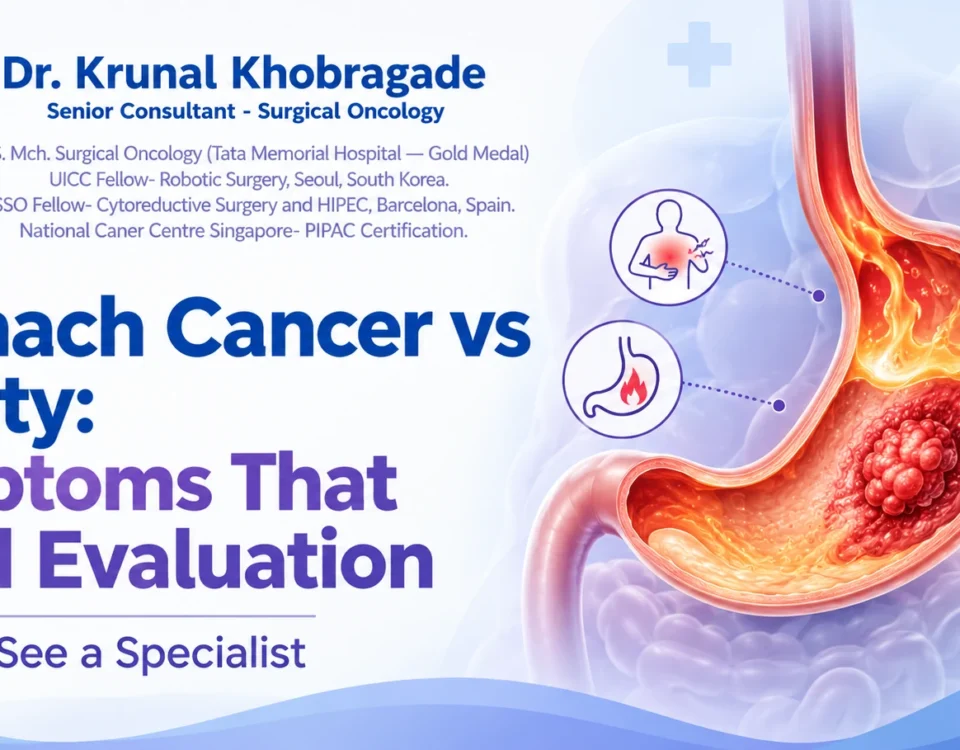


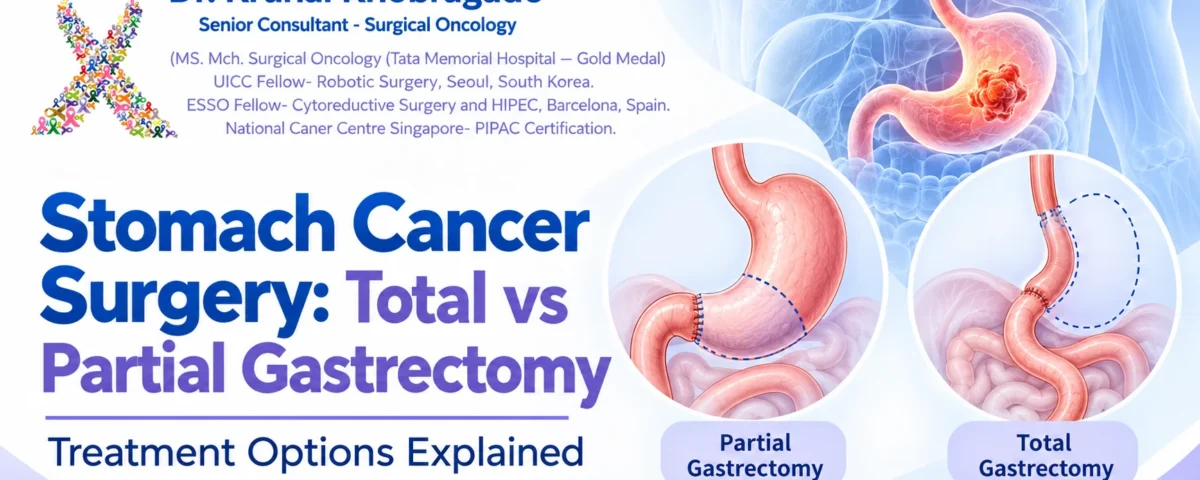
Stomach Cancer Surgery: Total vs Partial Gastrectomy
Stomach Cancer Surgery is a common area of concern for patients and families considering cancer care. This guide explains how specialists evaluate the situation, what treatment discussions may involve, and which questions can help you make an informed decision in Nagpur.
In this guide
Understanding the condition or procedure
Stomach cancer surgery is best understood as one part of a larger cancer-care pathway. Whether a particular operation is appropriate depends on the confirmed diagnosis, disease extent, treatment goals and the patient’s overall health.
For someone researching stomach cancer surgery in Nagpur, the most useful starting point is to separate a symptom or procedure name from an individual treatment recommendation. Similar symptoms and scan findings can lead to different decisions for different people.
In a surgical oncology consultation, the focus is on clarifying what is known, what still needs testing and how each available option may change outcomes and everyday life.
Assessment and treatment planning
Key information may include tumor location, stage and nutritional status. A specialist also reviews the pathology report, relevant imaging, medical history, previous treatments and the patient’s priorities.
A plan may involve subtotal (partial) gastrectomy or total gastrectomy. These are not interchangeable options or promises that a specific technique will be appropriate. The team first establishes whether treatment is intended to cure, control disease or relieve symptoms.
A multidisciplinary discussion can be particularly useful when surgery must be coordinated with chemotherapy, radiotherapy, or specialized supportive care.
Bring these reports
Available biopsy or histopathology results, scan reports, imaging discs, previous discharge summaries and your current medication list.
Discuss treatment goals
Ask whether the aim is cure, disease control or symptom relief, and how benefits and risks are evaluated in your situation.
What patients should discuss before treatment
Ask what the diagnosis and stage mean, why the proposed treatment is preferred, what reasonable alternatives exist and what could happen if treatment is delayed.
Clarify important risks in your particular case, including anesthesia risks, possible complications, expected hospital care and whether additional treatment may still be needed afterward.
Also ask how the surgical plan might affect work, mobility, family responsibilities, appetite, bowel function or other aspects of daily living. An individual estimate is more meaningful than a generic recovery promise.
- How do tumor location, stage and nutritional status influence my case?
- Would subtotal (partial) gastrectomy or total gastrectomy be relevant to me, and why?
- What follow-up or rehabilitation should I plan for, including smaller meals, nutritional monitoring and vitamin supplementation?
Recovery, follow-up and quality of life
Aftercare considerations for this topic include smaller meals, nutritional monitoring and vitamin supplementation. The pace of recovery is not identical for every patient, and major surgery may require longer follow-up than expected.
Post-treatment reviews may involve wound assessment, symptom evaluation, pathology review, nutrition support, rehabilitation and a personalized surveillance plan. The treating team decides what tests are needed and when.
Seek urgent medical assessment for severe or worsening symptoms after treatment, such as breathing difficulty, high fever, substantial bleeding, repeated vomiting or significant new abdominal pain.
Frequently asked questions
Is stomach cancer surgery in Nagpur the right choice for everyone?
No. Stomach cancer surgery requires individual assessment. The diagnosis, stage, general health and the alternatives all influence the recommendation.
What should I bring to a first consultation?
Bring previous biopsy results, relevant imaging, medication details and a written list of questions. In particular, ask about tumor location, stage and nutritional status.
Does choosing robotic or minimally invasive surgery always lead to better outcomes?
No. When a minimally invasive technique is an option, the choice depends on disease characteristics, surgeon experience, facilities and safety. Open surgery may be more appropriate in some circumstances.
How long does recovery take?
The timeline depends on the procedure and the individual. Your team will advise you about expected hospital recovery, warning signs and issues such as smaller meals, nutritional monitoring and vitamin supplementation.
Can patients from outside Nagpur seek an opinion?
Patients can request a consultation and ask which reports should be shared in advance. Confirm actual appointment availability and location directly with the clinic.
Discuss Your Case With Dr. Krunal Khobragade
For assessment of cancer-related symptoms, diagnostic reports or surgical treatment options, request an individualized consultation. No online article can determine whether surgery is right for you.
Related resources
Medical disclaimer: General educational information only. This page is not individual medical advice. Clinical content, service availability and procedure-specific claims require review by Dr. Krunal Khobragade before publication.