


Publication target:
Understanding Your Cancer Pathology Report After Surgery
Receiving the final pathology report can feel like receiving a new diagnosis all over again. The report records what the pathologist found in the removed tissue. It deserves a dedicated discussion, rather than a quick reading of one unfamiliar word or the first page alone.
Start with the diagnosis and specimen
Check which organ or tissue the report describes and locate the final diagnosis. A report may cover several specimens from one operation. Ask the doctor to explain how these pieces fit together. Do not interpret a result from one sample as if it describes every part of the operation.
Identify the main terms to discuss
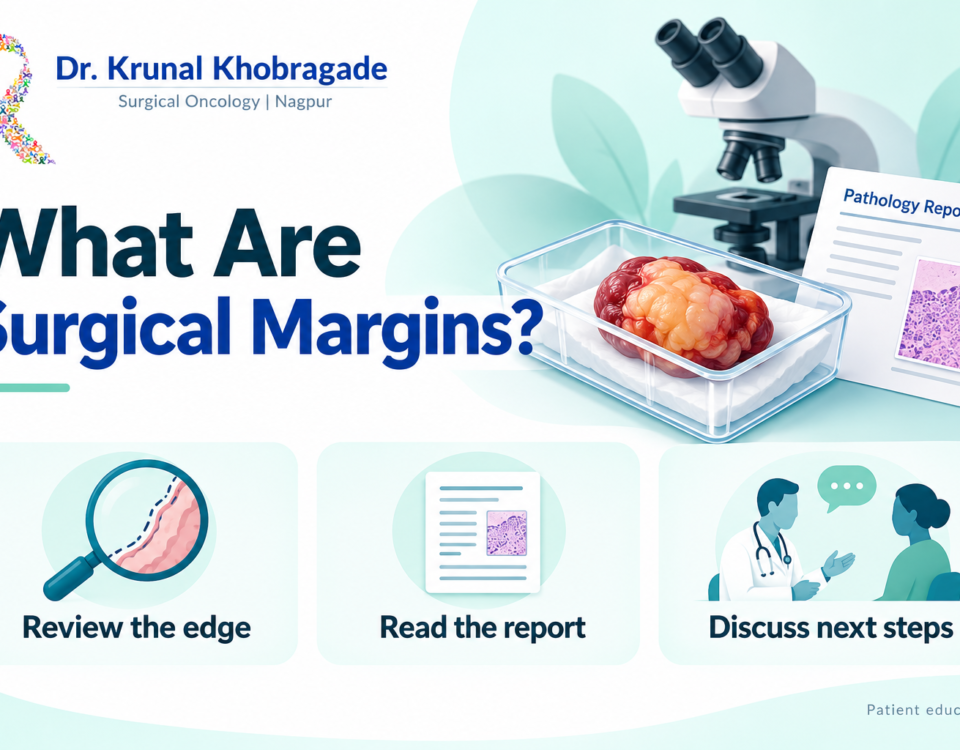
The report may describe the cancer type, grade, cut edges or margins, and lymph node findings. Grade and stage are different concepts. Additional tests may appear as a later report. Ask which findings are complete and whether anything important is still awaiting confirmation.
Connect the report to the next decision
The purpose of reviewing pathology is to guide the next step. Ask whether the results change the stage assessment, whether another specialist should review them and whether additional treatment is being considered. A clear margin is useful information, but it is not a promise that cancer can never return.
Keep a complete record
Save the final report and any addenda with your operation note and treatment summary. If seeking another opinion, ask whether slides or tissue blocks are needed and how to obtain them. Before leaving the review, write down the agreed action, responsible clinician and date for the next appointment.
Frequently asked questions
Should I interpret the report before meeting the doctor?
You can note unfamiliar terms and questions. Avoid drawing a treatment conclusion from an isolated phrase without the full clinical context.
Does a later addendum always mean the first report was wrong?
No. Some additional test results are issued separately. Ask how the new information fits with the original findings.
Discuss Your Reports With Dr. Krunal Khobragade
If you are seeking an individual opinion, bring your available reports and a list of questions to a consultation. Confirm the appointment location and arrangements with the clinic.
Related patient guides
Sources and further reading
Educational references checked 31 October 2026. Treatment decisions require an individual assessment.
Medical information: This article provides general education and does not diagnose a condition or replace advice from your treating team. Seek urgent medical care for severe or rapidly worsening symptoms.